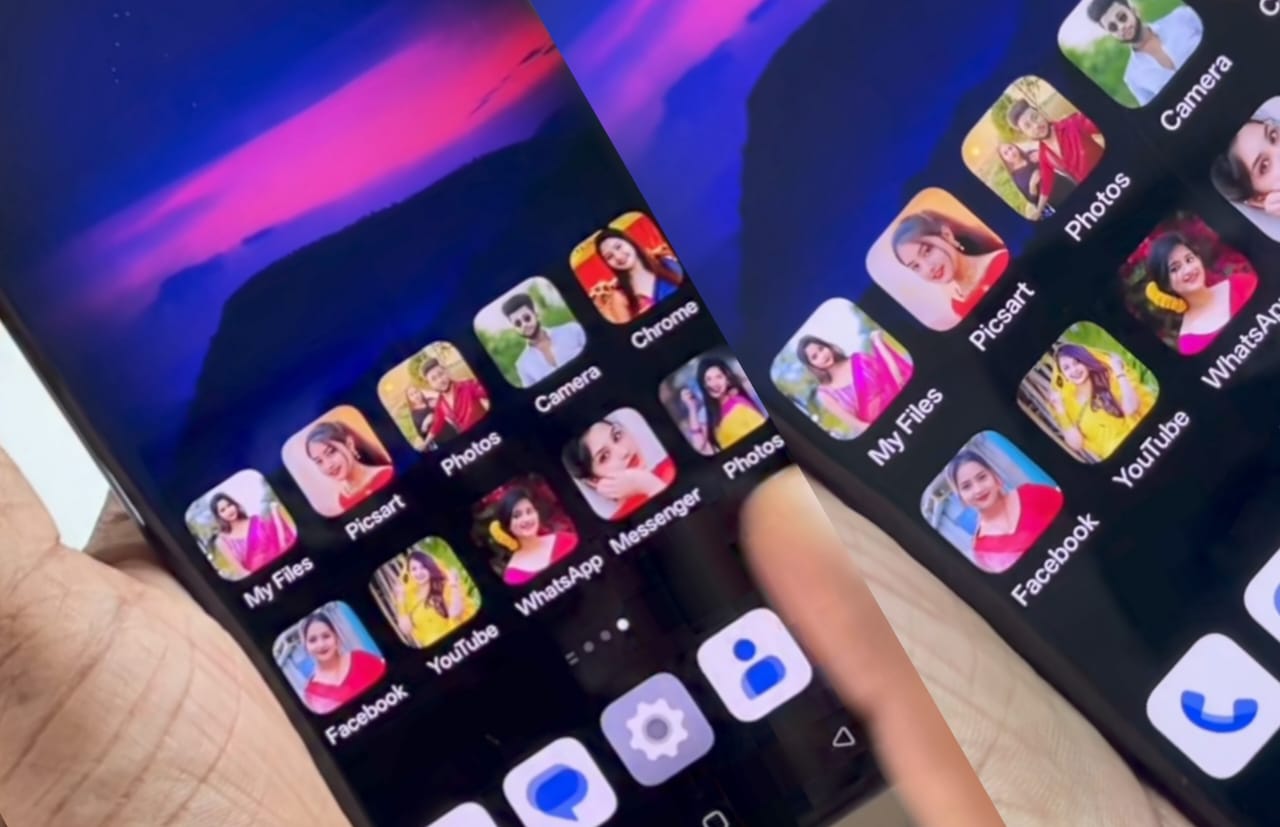
In 2026, smartphone customization isn’t just limited to wallpapers or themes. People now want to design their mobile screens to suit their personal style. Making each app icon unique, adding your favorite picture, or setting a special memory on the home screen has become a new trend.
Imagine opening WhatsApp, Instagram, or Gallery and seeing your own photo on the icon. It’s not just about style, it also adds an emotional touch. In this article, we’ll explain in detail how you can add your favorite picture to any app icon – both simple and with pro-level customization.
In this guide, we’ll cover important SEO keywords like Android customization, custom app icons, mobile personalization, home screen setup, and launcher apps, ensuring you get complete and up-to-date information.
Why This Feature/Technology Works Better in 2026
Android systems in 2026 are more flexible than ever before. Most phones are now running Android 14 or higher, where customization options have significantly improved.
Earlier, changing app icons required complex rooting or risky modifications. However, now safe and secure launcher apps are available on the Play Store that allow you to change icons without damaging the phone.
Additionally, custom images are automatically adjusted to the icon size thanks to Material You design and adaptive icon support. This prevents image cropping and creates a professional look.
Another reason is that people are increasingly focusing on personal branding and content creation. If you’re a YouTuber, freelancer, or online seller, customized app icons make your home screen look clean and aesthetic, which also improves productivity.
How to Use Add Your Favorite Picture On Any App’s Icon for Best Results
Now let’s understand the practical process. You can start with the basic method and then use the advanced pro method.
Step 1: Basic Setup or First Method
First, you’ll need to install a reliable launcher app. For example, use Nova Launcher or any other trusted Android launcher that allows icon customization. After installing the launcher, set it as the default home app.
Now, on the home screen, long-press on the app whose icon you want to change. Tap the Edit option. Here, you will get the option to change the icon.
Open the Gallery and select your favorite picture. Crop the image so that it fits in the square shape. The new icon will be applied as soon as you save it.
This method does not delete the original app; only its shortcut icon is changed. This is a completely safe and beginner-friendly method.
Step 2: Advanced or Pro Method
If you want a more professional and clean look, you can use shortcut maker apps. This method also allows you to set a custom name for the custom icon.
Open the Shortcut creator app, then select the desired app from the apps list. Go to the Icon section and upload your high-resolution picture.
Here you can adjust the image’s size, frame, border, and shape. Some apps also allow shadow effects and icon pack blending, making the icon look as natural as the system itself.
A pro tip is to crop the image to a square 512×512 resolution in a photo editing app first. This eliminates pixelation issues and makes the icon appear sharper.
You can also use transparent PNG images with this method, which gives a more clean and aesthetic result.
Professional Tips to Get DSLR-Level or Pro Results
If you want your custom app icon to look absolutely DSLR-level clear and sharp, keep a few things in mind.
First of all, avoid using low-quality or WhatsApp-compressed images. Always use original, high-resolution photos. A 1:1 ratio is best, as most icons are square.
If the background is busy, the icon may appear small. Choose a picture with a simple and clean background. Centering the face looks even better.
Slightly enhance the brightness and contrast so that even small icons appear clear. Avoid too dark or too light images.
A common mistake is changing the icons of too many apps, which makes the home screen look messy. Customize only the important apps to maintain the aesthetic.
Best Settings, Apps, or Tools (If Applicable)
Some apps are very helpful for Android customization.
Nova Launcher is a simple and lightweight option that allows detailed icon editing. It performs smoothly and doesn’t consume much battery.
The Shortcut Maker app is a good option for detailed customization. It also lets you create direct activity shortcuts.
Apps like Snapseed or PicsArt are useful for photo editing, where you can crop the image, adjust brightness, and blur the background.
If you use an iPhone, you can also create custom app icons through the Shortcuts app, but the process is more flexible and easier on Android.
For best results, enable the adaptive icon setting and set the grid layout to 4×5 or 4×4 so that the icons are clearly visible.
Common Problems and How to Fix Them
Beginners encounter a few common issues. The most common is that clicking an icon first opens the shortcut app, then the main app. This occurs mostly on iPhones or with some shortcut apps. The solution is to use a lightweight launcher or an optimized shortcut app.
Another issue is pixelated or blurry icons. This is caused by low-resolution images. Always use a 512×512 resolution image or higher.
Sometimes icons are reset after a system update. Use the launcher backup option to save your home screen layout.
If the icon shape seems mismatched, change the adaptive icon mask or crop to round for a natural look.
Final Thoughts
In 2026, smartphones are not just communication devices but have become a part of personal identity. When you add your favorite picture to an app icon, you give your device a unique and personal touch.
This process is completely safe, beginner-friendly, and reflects your creativity. Whether you’re a content creator, a student, or a business owner, custom app icons make your home screen look clean, organized, and stylish.
If you’re interested in Android customization and mobile personalization, be sure to try this feature. With a little creativity and the right tools, you can give your phone a truly premium look.
It’s time to transform your mobile screen from boring to personalized masterpiece.