
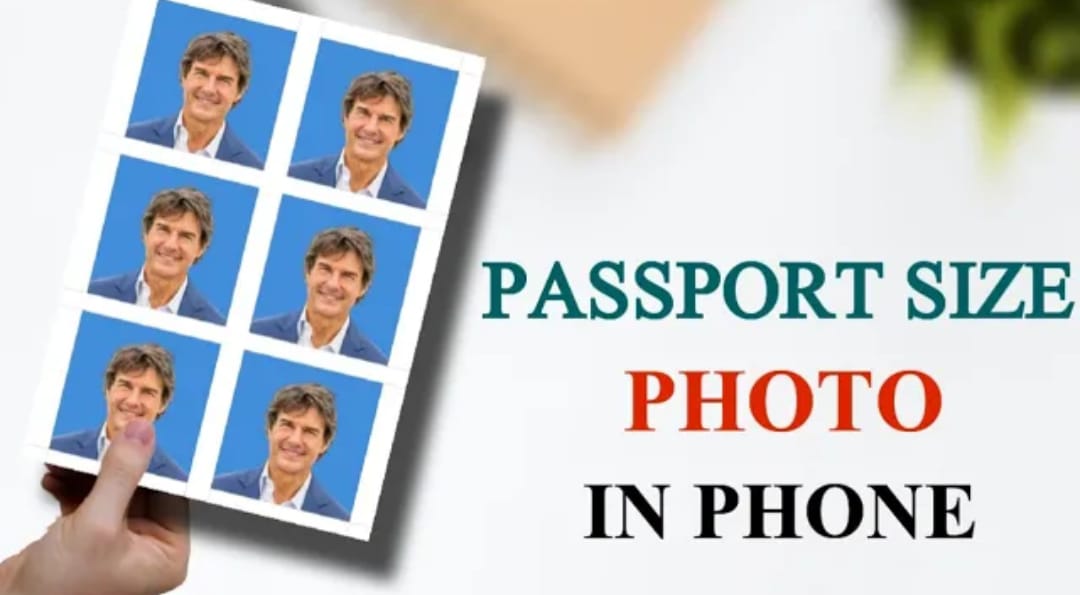
In 2026, the digital lifestyle has become so fast that everything is shifting online. Be it passport renewal, visa application, or online job verification, digital passport-size photos are demanded everywhere. Earlier, people used to go to a studio to get their photos shot, but now, thanks to high-resolution mobile cameras, you can create professional passport photos with your phone camera.
If you’re a freelancer, a student, or planning a trip, this skill is very useful. In this article, I’ll show you in a simple way how you can convert your normal phone photo into a proper passport-size photo, at a completely professional level, from the comfort of your home.
Why This Feature/Technology Works Better in 2026
Smartphones by 2026 will feature cameras up to 50MP and 108MP. Devices like the Samsung Galaxy series, iPhone models, and Google Pixel phones offer advanced portrait processing and HDR support. This means lighting is automatically balanced and facial details are captured sharply.
AI-based background removal tools and auto-crop features are now built into apps. You don’t need to manually crop the background. Just one tap applies a white background that meets passport photo requirements.
There are also online passport photo size converter tools available that set the exact dimensions according to the regulations of different countries. Previously, this was only done by photo studios, but now this feature is accessible to every smartphone user.
High CPC keywords like “passport size photo online,” “convert photo to passport size,” and “digital passport photo maker” are trending heavily in 2026 because people prefer convenience.
H2: How to Use Your Phone Camera Photo into Passport Photo for Best Results
You can turn your normal photo into a passport size photo in two ways. A simple basic method and an advanced pro method.
Step 1: Basic Setup or First Method
First, open your phone camera and stand in front of a plain white or light background. Natural daylight is best, so try to take the photo near a window. Avoid direct sunlight, as this can cast harsh shadows on your face.
Place the camera at eye level and use portrait mode. Keep your smile light and natural, but avoid excessive expression, as passport photos usually require a neutral expression.
After taking the photo, check it in the gallery. You can use the built-in editor or a simple passport photo app. Use the crop tool to square the photo or adjust it to the required proportions. Then, brighten or whiten the background if it looks a bit gray.
With this basic method, you can easily create a clean and acceptable passport photo that can be used for online forms.
Step 2: Advanced or Pro Method
If you want DSLR-level or studio-quality photos, follow a slightly advanced setup. First, go to your phone’s camera settings and select the highest resolution. Turn on HDR mode to balance the lighting.
Use white chart paper or a smooth white wall. Use a ring light or soft LED light from the front, if available, to evenly illuminate your face. Set your phone on a tripod or a stable surface and use the timer mode.
After taking the photo, use the background removal tool in a professional editing app. Carefully adjust the edge detection to avoid any hair cuts. Then slightly increase the brightness, contrast, and sharpness, but don’t over-edit.
Now set passport-size dimensions, such as 35mm x 45mm or a country-specific size. Set the DPI to 300 if printing. This advanced method will make your photo look studio-like.
Professional Tips to Get DSLR-Level or Pro Results
The first rule is to ensure the camera lens is clean. Many people overlook this simple thing, resulting in blurred photos. Second, never use dark or busy backgrounds.
Usually wear simple, solid colors. A white shirt can blend in with a white background, so a light blue or gray is a better option.
To avoid shadows, ensure light doesn’t come from just one side. If there’s only one light source, place white paper on the opposite side to reflect the light.
Don’t use skin-smoothing filters in editing. Passport authorities prefer natural skin texture. Over-smoothing can lead to photo rejection.
Keep your head straight; don’t tilt it. Eyes should be facing the camera. These small things make the difference between a professional and a rejected photo.
Best Settings, Apps, or Tools (If Applicable)
For Android users, the built-in camera’s Pro mode is very helpful, where you can manually set ISO and white balance. iPhone users should make proper use of HDR and Portrait Lighting.
Some useful tools that people naturally use include passport photo maker apps, background eraser tools, and online passport-size photo editors. Such tools automatically detect faces and set the required margins.
If you frequently create digital documents, investing in a small tripod and affordable ring light may be beneficial. These accessories aren’t expensive, but they significantly improve output quality.
Arranging four or eight copies on one sheet in PDF format for online printing is also a smart option. This reduces printing costs and provides professional results.
Common Problems and How to Fix Them
Blurry photos are often the first issue beginners face. This occurs due to camera shake or poor focus. The solution is simple: use timer mode and stable support.
Another issue is an uneven background. If there are stains or marks on the wall, use editing tools to make the background pure white or apply a virtual white background.
Sometimes, shadows appear on the face, which can cause a passport photo to be rejected. Adjust the lighting or slightly increase the brightness.
Incorrect sizing is also a common problem. Passport photo sizes may vary from country to country, so confirm the official size before applying and crop accordingly.
Over-editing is also a mistake. Using too many filters and beauty effects can make photos look unnatural. Always maintain a natural look.
Final Thoughts
In 2026, you won’t need to go to a studio if you have a good smartphone. With a little planning, the right lighting, and proper editing tools, you can convert your normal phone camera photos into professional passport-size photos.
This skill not only saves you money but also time. This is a must-know digital trick for freelancers, students, and travelers. Just remember that quality, lighting, and correct size are the most important factors.
If you follow these simple steps, you can create a high-quality digital passport photo from home, perfectly suitable for both online applications and physical print.